
For families & shared households
Indoor gardening that fits around a household, not around perfect conditions
Families in apartments deal with a different set of constraints than a single occupant: curious kids, pets, shared schedules, and limited surface space. Here is how the course content addresses that.
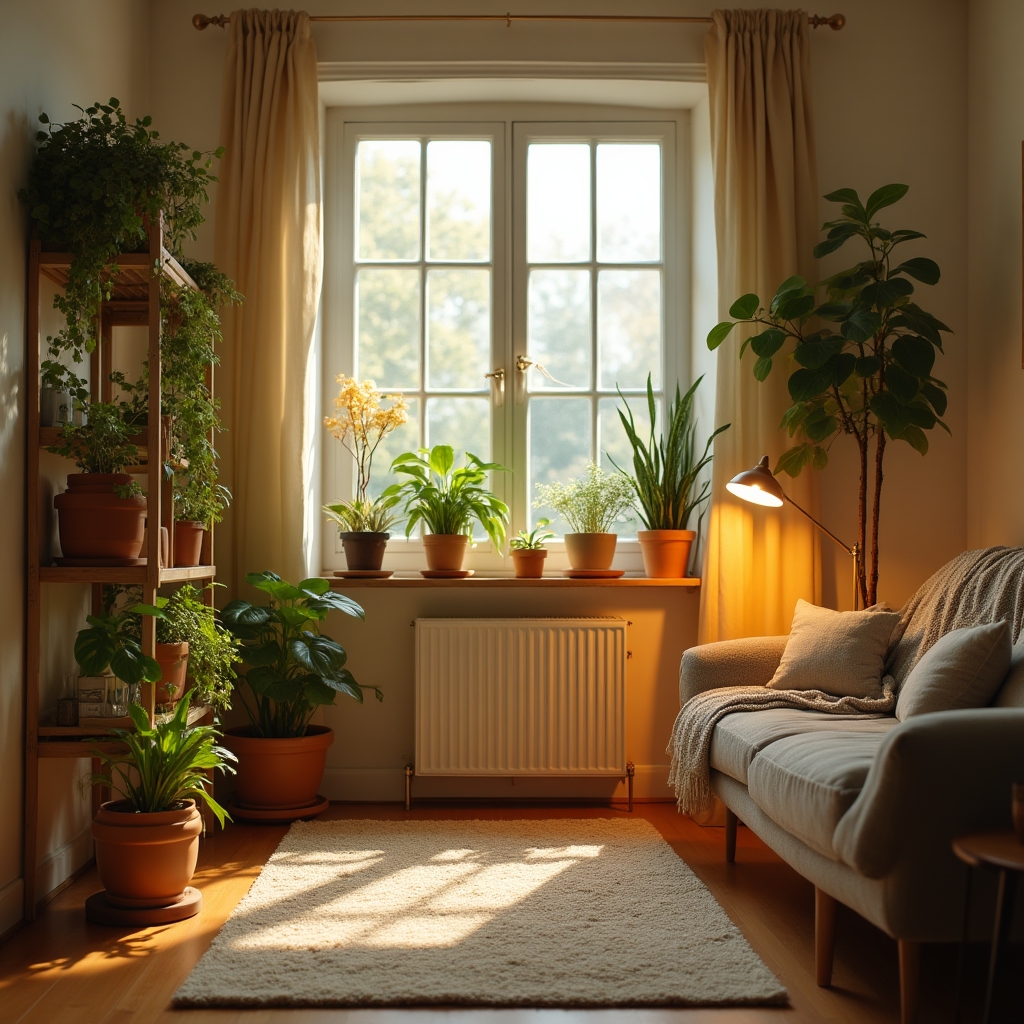
Placement matters more with kids and pets around
Plant placement in a family apartment usually has to account for more than light. Low shelves that work well for light exposure may not work if a toddler or a curious cat can reach them. Several lessons walk through placement options that balance light needs with practical household safety, including hanging planters, wall-mounted shelving, and higher furniture surfaces.
Some common houseplants are considered mildly to significantly toxic if chewed or ingested by pets, according to organizations such as the ASPCA. This platform does not provide veterinary or medical guidance. If you are choosing plants for a household with pets or young children, checking a current, dedicated toxicity reference alongside your veterinarian or pediatrician is a reasonable step before bringing a new plant home.
Fitting plant care into a family schedule
Course lessons on routines are built around the idea that plant care competes with a busy household calendar, not a quiet solo apartment.
Anchor care to an existing habit
Lessons suggest attaching a plant check to something already happening weekly, like Sunday meal prep, instead of adding a new standalone task.
Split responsibilities across the household
Some families assign specific plants to specific people, including older kids, which can simplify who is responsible for what.
Start with fewer, hardier plants
Course material covers a small set of plant categories that tend to tolerate inconsistent care reasonably well, useful when attention is limited.
Account for travel and busy weeks
Lessons include simple options for short absences, such as grouping plants together or using a tray with a water reservoir.
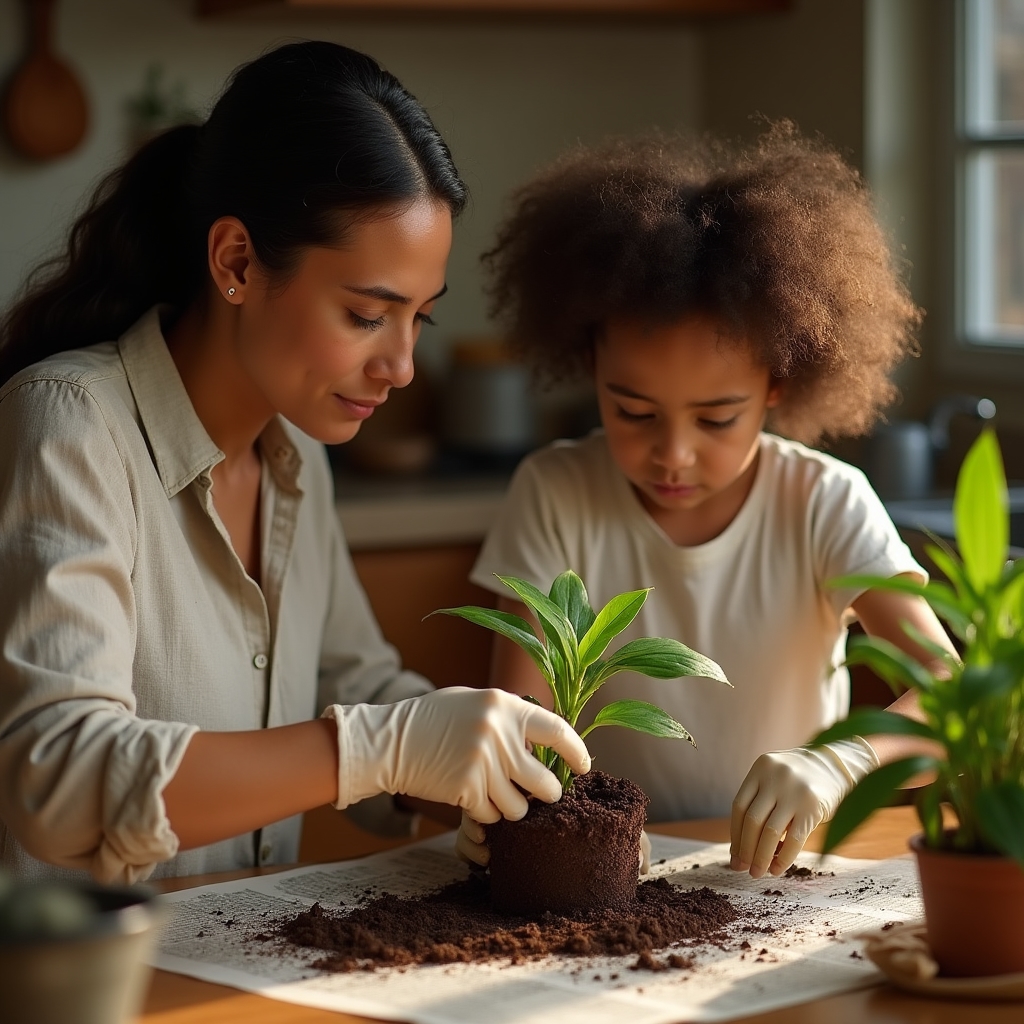
Involve kids without overloading them
Some households find that giving a child one easy plant to monitor works better than shared, unclear responsibility across several plants.
Renter-friendly, small-space setups
Many families in apartments are renting, which limits what can be attached to walls or built permanently into a room. The course library includes a lesson specifically on renter-friendly plant displays: tension rods, freestanding shelving units, and command-strip-compatible hooks rated for the weight of a filled planter.
Vertical space tends to be underused in small apartments. Stacking a few plants on a narrow bookshelf or repurposing a bar cart as plant staging can meaningfully increase the number of plants a household keeps without taking over floor space needed for daily living.
Have a specific household situation in mind?
Send a message describing your space and we can point you to relevant course material.
Contact Us